

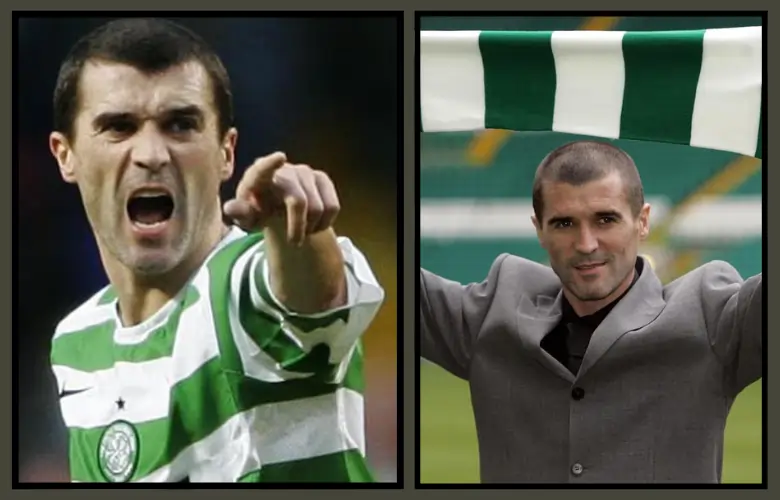
Roy Keane’s tenure at Celtic is certainly the most shocking episode in the history of football in Britain. Having left Manchester United, there were assumptions that the Irish would hang up his boots, but he signed a contract with Celtic in 2006 and instantly became one of the biggest stars. Roy was introduced to the Celtic team during their fight for the Scottish Premier League title. Although Keane had not played too much at Celtic, his mere presence helped improve both physical and psychological condition of the players. The roy keane celtic episode is considered to be extremely powerful in many respects.
Why Celtic Signed Him: Leadership Over Longevity
Celtic’s decision to bring in Keane was based on immediate impact rather than long-term planning. The club needed a strong leader in midfield who could guide younger players and help the team deal with pressure during a title race. His experience at Manchester United made him one of the most respected winners in world football.
The coaching staff believed he could improve discipline, focus, and mentality within the squad. Even though his fitness was not at its peak, his leadership qualities were considered far more valuable in the short term. He was seen as a player who could change the mindset of the entire dressing room.
Key reasons for the signing:
- Improve leadership in midfield
- Strengthen mentality during title race
- Bring winning experience to the squad
- Raise training standards and discipline
Immediate Impact on the Squad
One of the most important aspects of his Celtic spell was the immediate change in training culture. Players quickly noticed a higher level of intensity in every session. Keane demanded focus, precision, and professionalism at all times. His standards were higher than what many players were used to, and this forced the squad to improve quickly.
Younger players were especially influenced by his attitude. Mistakes in training were not ignored, and every performance was treated seriously. This created a more competitive and focused environment within the club.
Immediate effects included:
- Increased training intensity
- Stronger discipline in the squad
- Improved focus in preparation
- Higher confidence during matches
Playing Style and Midfield Role
On the pitch, Keane played a more controlled and tactical role than in his peak years. He was not required to dominate physically every game but instead focused on organisation and balance in midfield. His intelligence allowed him to read matches effectively and position himself well.
He kept his game simple and efficient, avoiding unnecessary risks. His ability to intercept passes and break up opposition attacks helped Celtic maintain structure in key moments. Even in limited appearances, his influence was visible in how the team controlled matches.
Key strengths:
- Tactical awareness and positioning
- Simple, effective passing
- Defensive organisation
- Leadership during pressure moments
Stats and On-Field Contribution
Although his time was short, his contribution was still meaningful. He made around 10 league appearances and approximately 13 appearances in total across all competitions. While he did not score goals, his role was never focused on attacking output.
Instead, his contribution was about leadership, structure, and control of midfield areas. Celtic benefited from his experience in tight matches during the title race.
Title-Winning Season: 2005–06
The highlight of his Celtic spell was the 2005–06 Scottish Premier League title win. Celtic were involved in a close and competitive race, where every match mattered. His experience helped the team stay calm under pressure during the final stages of the season.
Even when not always playing, his influence in preparation and team talks was valuable. Players often credited his presence for improving focus and belief within the squad.
Key factors behind the title win:
- Strong leadership in midfield
- Improved squad discipline
- Better handling of pressure situations
- Winning mentality introduced to team
Injury Problems and Retirement
The final stage of his Celtic career was shaped by long-term injury issues. Years of aggressive playing style had taken a toll on his body, particularly his hips. Despite efforts to manage fitness, it became clear that he could not continue playing at a high level.
After helping Celtic secure the league title, he made the decision to retire in 2006. This decision was widely respected because he chose to end his career on a successful note rather than continue while struggling physically.
Main reasons for retirement:
- Chronic hip injuries
- Physical decline with age
- Reduced ability to recover between matches
- Desire to retire after success
Legacy at Celtic and Football Impact
His time at Celtic is remembered as a short but highly effective period. Even without long service, he left a strong impression on teammates, coaches, and fans. The biggest impact was not statistical but psychological.
He is remembered for:
- Raising professional standards instantly
- Influencing squad mentality
- Contributing to a title-winning season
- Demonstrating elite leadership qualities
His Celtic spell is often used as an example of how a single experienced player can influence a team’s success in a short time.
(FAQs)
1. Why did Roy Keane join Celtic?
Roy Keane joined Celtic to bring leadership, experience, and a winning mentality during a crucial title race. The club wanted a strong midfield presence to help improve discipline and performance standards within the squad.
2. How long did he play for Celtic?
He had a very short spell, joining in January 2006 and retiring at the end of the same season. His time at the club lasted only a few months due to ongoing injury problems.
3. Did he win any trophies during his time there?
Yes, he helped the team win the Scottish Premier League title in the 2005–06 season. Even though his appearances were limited, his influence during the title run was considered important.
4. How many matches did he play for Celtic?
He made around 13 appearances in total across all competitions. Most of his contributions came in league matches where Celtic were competing for the title.
5. Why did he retire after leaving Celtic?
He retired mainly due to long-term hip and joint injuries that made it difficult to continue playing at a professional level. He decided to end his career after achieving league success.
Conclusion
The career of Roy Keane Celtic at Celtic was not very long; however, it was more important than just a career that spanned such a short amount of time. Roy Keane came to Celtic as a leader, and it was immediately seen in the way his team changed their mindsets and the way they worked together. Even without scoring any goals or playing much, he contributed to Celtic winning the Scottish Premier League because of his influence, his experience, and his winning attitude. Roy Keane had to retire due to injuries, but he did it successfully.