








Liverpool Britain is one of the United Kingdom’s most influential cities, known for its rich maritime history, cultural achievements, and global connections. Situated along the River Mersey in north-west England, it has played a key role in Britain’s trade, migration, and industrial growth. Over the centuries, the city has evolved into a modern urban hub while preserving its historical identity. Music, football, and arts have become defining features that attract visitors from around the world. The story of liver pool britain is one of resilience, innovation, and international significance.
Historical Background of Liverpool
Early Growth and Industrial Expansion
Liverpool’s development is closely tied to Britain’s rise as a global economic and industrial power. Originally a modest coastal settlement, the city grew rapidly due to its strategic position along the Irish Sea. Maritime trade and port activities transformed Liverpool into a central hub for commerce and shipping. Industrialisation influenced architecture, urban planning, and population diversity. The history of liver pool britain mirrors the broader industrial and social transformations of the UK.
Maritime Foundations and Port Significance
The River Mersey played a central role in Liverpool’s economic and social development. Its deep waters allowed large vessels to dock efficiently, enabling international trade. Docklands, warehouses, and shipyards became symbols of economic power and global exchange. Migration through the port brought workers, merchants, and communities from Europe, Africa, and the Americas. This maritime heritage continues to define the identity of liver pool britain.
Cultural Identity and Global Influence
Music Heritage and The Beatles Legacy
Liverpool is internationally famous as the birthplace of The Beatles, whose global influence transformed modern music and youth culture. Music remains a cornerstone of the city’s identity, with museums, venues, and festivals celebrating this legacy. Beyond music, Liverpool has a thriving arts scene encompassing theatre, visual arts, and digital creativity. The city’s cultural contributions continue to reach international audiences. These creative achievements reinforce Liverpool’s position as a symbol of British artistic innovation.
Arts, Theatre, and Creative Expression
The city’s cultural industries extend beyond music, driving economic growth and international recognition. Theatres, galleries, and performance spaces bring together local and global communities. Creative expression also extends into digital media, film, and design sectors, further enhancing Liverpool’s global profile. The blend of historic influence and contemporary culture makes the city unique. Cultural tourism is a key driver of the city’s visibility worldwide.
Football Heritage and Sporting Culture
Famous Football Clubs and Global Fans
Football is an integral part of Liverpool’s social and cultural life. The city hosts two globally recognised football clubs with passionate fanbases. Matchdays attract thousands of domestic and international visitors, creating a vibrant city atmosphere. Sporting achievements have reinforced Liverpool’s global reputation. Football is a defining aspect of life in liver pool britain, shaping both culture and identity.
Social and Economic Impact of Football
Beyond sport, football generates significant economic benefits through hospitality, retail, and tourism. Local businesses thrive on matchday activity, while employment in stadiums and event management grows. Football also strengthens community cohesion, youth engagement, and civic pride. Its influence extends into social and cultural programming. The sport continues to drive international attention toward the city.
Tourism and Urban Development
Waterfront Regeneration and Visitor Attractions
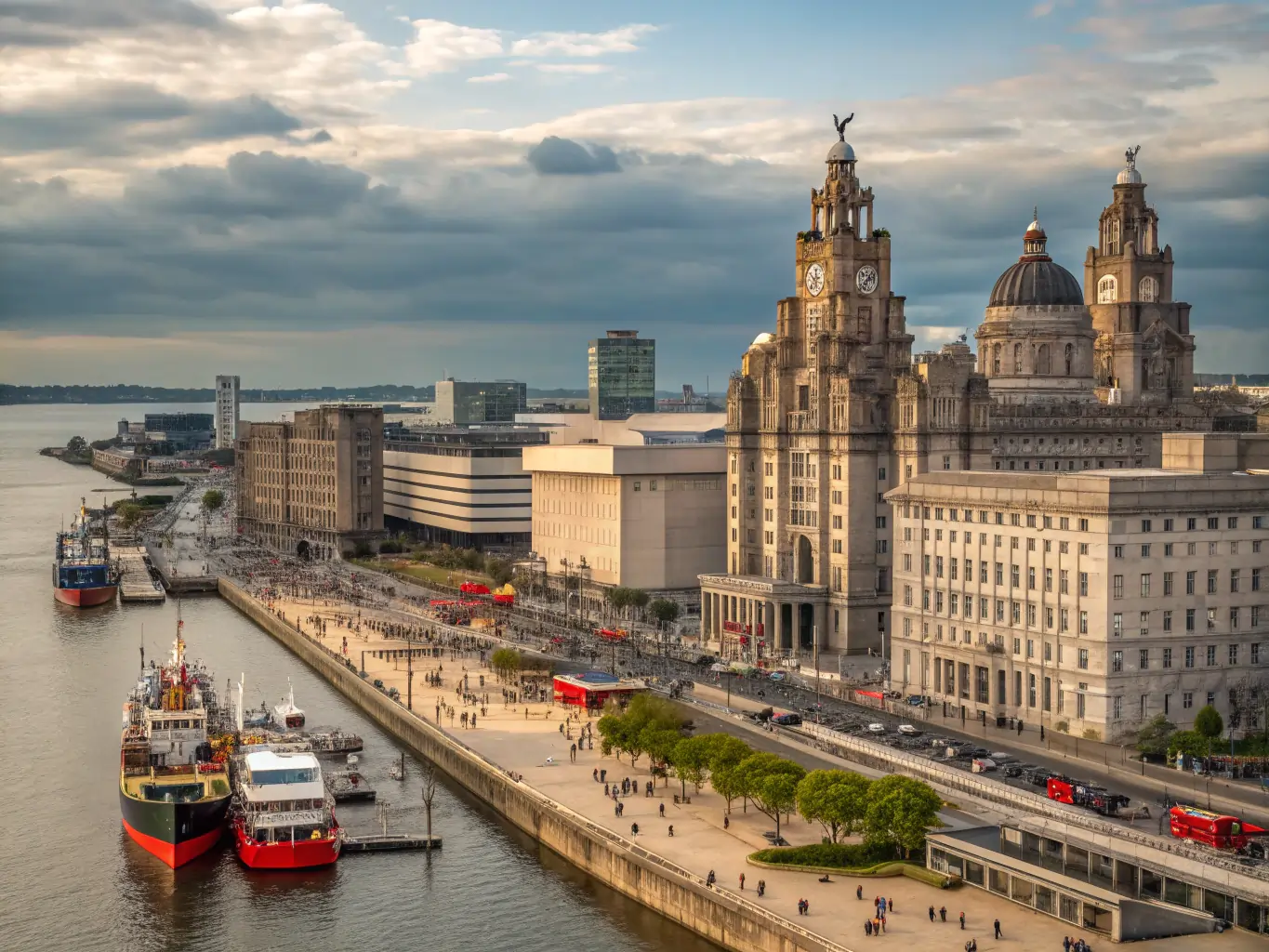
Liverpool’s tourism has flourished due to its historic waterfront and urban revitalisation projects. Docklands have been transformed into cultural, leisure, and commercial hubs. Visitors can explore museums, galleries, and entertainment districts, all contributing to economic growth. Tourism plays a vital role in Liverpool’s global recognition. This development highlights liver pool britain as one of the UK’s most visited cities.
Architectural Landmarks and Cityscape
Liverpool’s skyline reflects centuries of history and modern development. Historic buildings coexist with contemporary architecture, creating a visually striking cityscape. Public spaces along the waterfront host cultural events, leisure activities, and social gatherings. Iconic landmarks enhance both the city’s identity and international appeal. Urban design in Liverpool balances heritage preservation with functional modernity.
Education, Economy, and Modern Growth
Universities and Knowledge-Based Industries
Liverpool has diversified its economy from traditional port activities to education, healthcare, technology, and creative sectors. Universities attract students and researchers from across the world, fostering innovation. Knowledge-based industries contribute to sustainable economic development. Investment in skills, research, and business supports long-term growth. These changes demonstrate how liver pool britain continues to thrive in the modern era.
Infrastructure, Regeneration, and Investment
Urban regeneration projects have revitalised former industrial areas into thriving commercial and residential zones. Investments in transport and infrastructure have improved accessibility and quality of life. Job opportunities have expanded across multiple sectors, supporting economic stability. These developments show Liverpool’s ability to modernise while preserving its historical character. Continued investment ensures the city’s long-term relevance.
Lifestyle and Community Environment
Living Conditions and Social Life
Liverpool is renowned for its welcoming atmosphere, cultural vibrancy, and strong community spirit. Residents enjoy access to green spaces, waterfront areas, and cultural amenities. Housing options range from historic neighbourhoods to modern apartments. Daily life balances work, leisure, and cultural participation, creating a high quality of life. Life in liver pool britain blends urban energy with community warmth.
Festivals, Culture, and Local Identity
Cultural events, music festivals, and social programmes strengthen civic pride and local identity. Diversity enriches community interactions and enhances inclusivity. Public spaces foster engagement and creative expression among residents. The city’s lifestyle emphasizes tradition, modernity, and social connectivity. These features make Liverpool an attractive destination for both locals and visitors.
Liverpool’s Ongoing Importance to Britain
Balancing Heritage and Progress
Liverpool remains a vital city in Britain’s economic, cultural, and social landscape. Its influence spans music, sport, education, and tourism. The city successfully combines historical preservation with modern development. Global investment, international tourism, and creative industries continue to grow. The enduring legacy and modern relevance of liver pool britain make it one of the United Kingdom’s most prominent cities.
Frequently Asked Questions
1. Where is Liverpool located in Britain?
Liverpool is in north-west England along the River Mersey. It is a major port city with historical and cultural significance.
2. What is Liverpool famous for in Britain?
The city is famous for The Beatles, historic docks, and two world-renowned football clubs. It is also known for arts and culture.
3. How has Liverpool developed historically?
Liverpool grew from a small settlement into an industrial and port city during the 18th and 19th centuries. Its maritime trade shaped the city.
4. Why is Liverpool important culturally in Britain?
Liverpool has a global reputation for music, theatre, arts, and creative industries. Its cultural influence attracts visitors worldwide.
5. What role does football play in Liverpool Britain?
Football is central to local identity, tourism, and community engagement. The city is home to two globally recognized clubs.
6. How is tourism in Liverpool Britain?
Tourism thrives on historic landmarks, museums, galleries, and festivals. The waterfront and cultural sites are major attractions.
7. What is life like in Liverpool Britain?
|Residents enjoy a mix of culture, community spirit, and modern urban living. Green spaces and waterfront areas enhance daily life.
Conclusion
Liverpool Britain is a city where history, culture, and modern life come together. Its maritime heritage, industrial growth, and role in global trade shaped Britain’s economy and identity. The city is internationally famous for The Beatles, its thriving arts scene, and two world-renowned football clubs. Tourism, education, and creative industries continue to drive growth and attract visitors. Residents enjoy vibrant cultural life, green spaces, and a strong community spirit. With its blend of tradition and innovation, liver pool britain remains one of the United Kingdom’s most significant, dynamic, and culturally rich cities, appealing to locals and tourists alike.


