









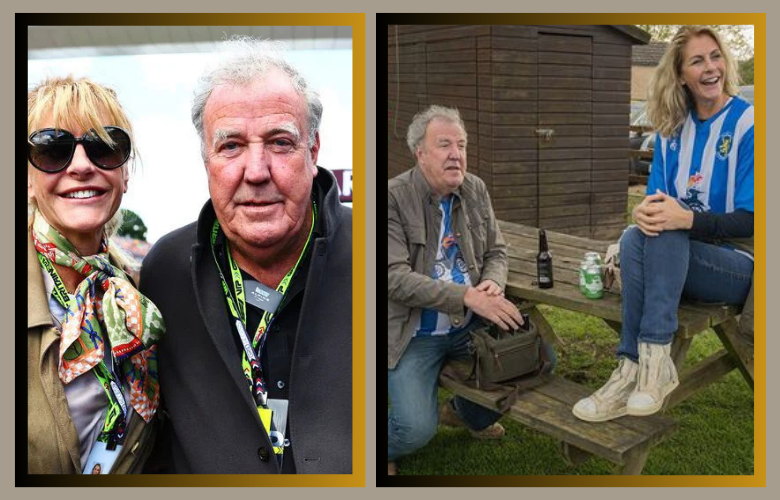
Elizabeth Mary Wilhelmina Bentinck is a young noblewoman whose life exemplifies the balance between centuries-old European aristocracy and contemporary professional ambition. Born in October 1998, she is a member of the distinguished Bentinck family, historically known for its influence across Europe. While her lineage represents tradition, she has actively carved her own path in modern professional and social life, showing that noble heritage can complement contemporary achievement. Her story is a reflection of how young aristocrats today navigate expectations while establishing personal identities. Elizabeth Wilhelmina Bentinck’s life is a striking example of tradition meeting modern independence.
Who is Elizabeth Mary Wilhelmina Bentinck?
Elizabeth Mary Wilhelmina Bentinck is the daughter of a Dutch baron and an Irish creative, blending aristocratic heritage with cultural sophistication. She grew up in a multicultural environment that enriched her perspective on society, culture, and personal responsibility. Known for maintaining a private life, she has consistently balanced her family legacy with professional aspirations. Her identity is a careful integration of tradition, ambition, and independent thinking. Elizabeth Wilhelmina Bentinck embodies the modern noble who honors heritage while pursuing contemporary life goals.
Early Life and Family Background
Noble Lineage and Influence
Elizabeth Mary Wilhelmina Bentinck’s upbringing was shaped by her father’s aristocratic lineage and her mother’s creative influence. This combination provided her with a deep appreciation of tradition alongside a sense of individuality. From a young age, she learned to respect the responsibilities tied to her family name while cultivating her own personal interests and ambitions. Her early experiences were guided by the balance of privilege and accountability, a hallmark of her upbringing.
Cultural and Personal Growth
Growing up in a multicultural environment, Elizabeth Mary Wilhelmina Bentinck was exposed to Dutch, Irish, and British traditions. This helped her develop a versatile worldview and adaptability to different social contexts. She learned early the importance of maintaining dignity while pursuing personal development. Her formative years emphasized cultural awareness, self-discipline, and a nuanced understanding of societal expectations. These foundations shaped her into a thoughtful and capable individual capable of bridging tradition and modernity.
Education and Formative Years
Intellectual Foundation
While specific educational details are not publicly documented, Elizabeth Mary Wilhelmina Bentinck’s early life suggests strong exposure to academic and cultural learning. Her upbringing emphasized intellectual curiosity, communication skills, and critical thinking. She benefited from experiences that combined formal education with exposure to arts and culture.
Preparing for Modern Life
Elizabeth Mary Wilhelmina Bentinck’s formative years prepared her for both professional and social responsibilities. She developed the ability to navigate expectations tied to aristocratic heritage while embracing modern opportunities. This combination of discipline, cultural knowledge, and independence laid the groundwork for her professional journey. Her education and upbringing equipped her with tools to engage confidently in contemporary society while honoring her family background.
Career and Professional Life
Embracing Responsibility
Elizabeth Mary Wilhelmina Bentinck has pursued a professional career that reflects responsibility, leadership, and ambition. She has taken on the role of a company director, demonstrating that modern nobility can actively participate in business and governance. Her professional life illustrates how historical privilege can coexist with meaningful contribution and accountability.
Balancing Tradition and Ambition
Her career demonstrates that maintaining family heritage does not limit one’s personal or professional growth. Elizabeth Mary Wilhelmina Bentinck successfully combines respect for tradition with modern strategic thinking. Through her professional engagement, she serves as an example of how young nobles can redefine their roles in society while remaining true to their heritage.
Personality and Public Presence
Privacy and Discretion
Despite her noble background, Elizabeth Mary Wilhelmina Bentinck maintains a private and discreet presence. She does not seek media attention or social recognition, focusing instead on personal development and professional responsibility.
A Balanced Public Persona
Her personality reflects maturity, thoughtfulness, and an ability to navigate societal expectations with grace. Elizabeth Mary Wilhelmina Bentinck demonstrates that influence does not require visibility. She represents a model for modern aristocrats who value substance, privacy, and deliberate engagement with the world.
Modern Identity and Cultural Influence
Integrating Heritage and Modern Life
Elizabeth Mary Wilhelmina Bentinck embodies a synthesis of historical tradition and contemporary identity. Her upbringing across multiple cultures gave her a nuanced perspective on heritage and personal responsibility. She represents the modern interpretation of aristocracy, where lineage inspires but does not confine personal growth.
A Role Model for Contemporary Nobility
Her life is an example of how young nobles can balance cultural awareness, professional ambition, and social responsibility. Elizabeth Mary Wilhelmina Bentinck’s identity demonstrates how heritage can coexist with independence and modern achievement, inspiring a new generation of aristocrats to embrace both tradition and personal initiative.
Frequently Asked Questions
1. Who is Elizabeth Mary Wilhelmina Bentinck?
She is a young European noblewoman from the Bentinck family, blending aristocratic heritage with modern ambitions.
2. What is her family background?
She is the daughter of a Dutch baron and an Irish creative, combining noble lineage with cultural influence.
3. What is her professional role?
She works as a company director, demonstrating leadership and modern professional engagement.
4. How does she balance tradition and modern life?
She respects her family heritage while pursuing professional and personal growth independently.
5. Which cultures influence her identity?
She is influenced by Dutch, Irish, and British traditions, shaping her versatile worldview.
6. Is she a public figure?
No, she maintains a private life, prioritizing discretion and professional development.
7. Why is she considered a modern example of nobility?
Her life shows how young nobles can honor tradition while achieving independent success.
Conclusion
Elizabeth Mary Wilhelmina Bentinck exemplifies the balance between noble heritage and contemporary ambition. She honors her family legacy while pursuing meaningful professional and personal achievements. Her life demonstrates that historical prominence can coexist with modern responsibility and independence. Elizabeth Wilhelmina Bentinck provides insight into the evolving role of aristocracy, showing that heritage and personal initiative can complement each other. She remains a model for how young leaders can integrate tradition, culture, and modern identity to thrive in today’s world.


