

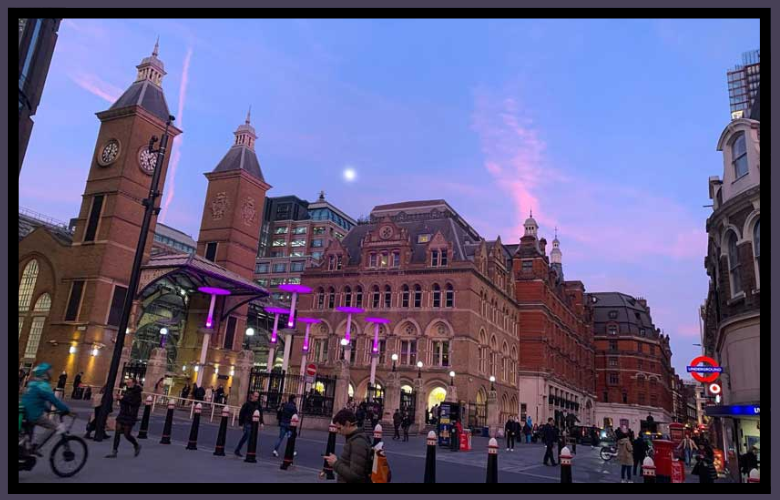
Liverpool Street Station is one of the key transport facilities in London that serves thousands of people annually regardless of the time of the year, since it is one of the major stations in London. This station is located in the City of London and serves National Rail to various destinations in Essex and East Anglia, namely, Chelmsford, Colchester, Ipswich, and Norwich. In addition, it gives connections to the London Underground and Elizabeth line so as to give passengers the chance to travel all over London with ease. The surrounding area of Liverpool ‘s Street Station is not far from major attractions in London, such as Spitalfields and Brick Lane.
Liverpool Street Station Map, Location and Postcode
The station sits on the eastern side of central London, close to the City of London and within easy walking distance of several major attractions. A Liverpool Street Station map is particularly useful because the complex includes National Rail platforms, Underground entrances, Elizabeth line facilities and several connecting streets. Different exits can take passengers towards Bishopsgate, Broadgate, Spitalfields Market or the City, so choosing the right exit can save considerable walking time.
The Liverpool’s Street Station postcode is EC2M 7PY, making it easy to locate using navigation apps and online maps. The surrounding area is well connected by pedestrian routes, buses and Underground services. Passengers arriving for work may need to continue towards Bank, Moorgate or the financial district, while visitors can reach Spitalfields Market, Brick Lane and Shoreditch relatively quickly. Checking your destination before leaving the concourse is worthwhile because the busiest periods can make the station feel much larger than expected.
Liverpool Street Station Departures, Trains and Lines
Liverpool Street Station departures cover a wide range of services operated by the railway network serving Essex, Suffolk and other parts of East Anglia. Depending on the route, passengers can travel towards destinations such as Chelmsford, Colchester, Ipswich and Norwich. Train frequencies vary according to the time of day, weekday or weekend timetable, engineering works and special events, so checking live information before travelling is recommended.
The Liverpool’s Street Station lines include National Rail services as well as several London Underground connections. The Underground network provides access to the Central, Circle, Hammersmith & City and Metropolitan lines, while the Elizabeth line adds high-capacity connections across London. This combination is one of the station’s biggest strengths because passengers can switch between regional trains and urban transport without travelling across London to another major terminal.
For commuters, the station is particularly valuable because it serves both the City and a large residential area east and northeast of London. For tourists, the advantage is different: a single transport hub can provide access to central attractions, business districts and longer-distance destinations.
Elizabeth Line and Stansted Airport Connections
The Elizabeth line has significantly improved east-west travel through London. Passengers using this modern railway can travel through central London towards destinations including Whitechapel, Canary Wharf, Stratford and areas further west. For people arriving from or travelling towards other parts of London, the service can reduce the need for multiple Underground changes.
Travellers searching for Liverpool Street Station to Stansted Airport connections should understand that there is no direct Elizabeth line service to Stansted Airport. A common option is to use the Elizabeth line or Underground network to reach a suitable interchange, then continue towards the airport using the Stansted Express or another appropriate rail connection. Tottenham Hale is an important interchange for airport travellers because it connects London Underground services with the Stansted Express route.
When travelling with luggage, allow extra time for transfers and check the latest service information before departure. Airport journeys can become stressful when passengers underestimate interchange times, particularly during peak hours. It is also sensible to check whether engineering works or planned disruptions affect the route on the day of travel.
Liverpool Street Station to London Connections and Nearby Attractions
For many visitors, the phrase Liverpool Street Station to London really means travelling from this eastern transport hub into central London. The good news is that the station is already inside central London, so passengers do not need a separate long-distance journey to reach the main tourist areas. Underground services provide connections towards Oxford Circus, Tottenham Court Road, Westminster and other major destinations, while buses offer additional local options.
The surrounding neighbourhood is also worth exploring. Spitalfields Market is close by and offers independent shops, food stalls and a lively atmosphere, while Brick Lane is famous for street art, vintage shops, cafés and international food. Shoreditch is another nearby destination known for its creative culture, nightlife and restaurants. The City of London, with its historic streets and modern skyscrapers, provides a striking contrast between old and new London.
For tourists with limited time, the station can therefore function as more than a transport interchange. You can arrive by train, leave your platform, explore nearby neighbourhoods and continue elsewhere using the Underground or Elizabeth line. Planning your exit carefully is important because different entrances lead towards very different parts of the surrounding area.
Liverpool Street Station Redevelopment, Benefits and Drawbacks
The Liverpool Street Station redevelopment reflects the changing role of the area as London continues to invest in transport capacity, commercial buildings and public spaces. Redevelopment around the station has been connected with wider plans for modernising the transport environment and improving passenger movement. Such projects are important because rising passenger numbers require stations to handle larger crowds while maintaining safe and efficient connections.
Major advantages of using this transport hub include:
- Excellent connections between National Rail, Underground and Elizabeth line services.
- Strong rail links to Essex and wider East Anglia.
- Convenient access to the City of London.
- Useful connections for travellers heading towards Stansted Airport.
- Good options for commuters travelling into London.
- Close proximity to Spitalfields, Brick Lane and Shoreditch.
- Modern transport facilities following major investment.
- Numerous nearby restaurants, cafés, shops and offices.
- Easy connections to other parts of the capital.
There are disadvantages too. Peak-time crowds can make the concourse and connecting Underground areas extremely busy, particularly during weekday mornings and evenings. The large number of services can also make the station confusing for first-time visitors. Redevelopment and construction activity may temporarily affect walking routes or entrances, while engineering works can change normal train services. Passengers travelling on a tight schedule should therefore allow additional time rather than assuming every connection will operate exactly as expected.
Frequently Asked Questions
1. Where is Liverpool Street Station located?
It is located in the City of London, near Bishopsgate, Spitalfields and Brick Lane. Its central position makes it convenient for commuters, tourists and visitors.
2. Which trains run from the station?
National Rail services travel towards Essex and East Anglia. Popular destinations include Chelmsford, Colchester, Ipswich and Norwich.
3. Which Underground lines serve the station?
The Central, Circle, Hammersmith & City and Metropolitan lines provide Underground connections. These services make travelling around central London straightforward.
4. Does the station have Elizabeth line services?
Yes, Elizabeth line services operate from the station. They provide convenient connections across London and towards destinations beyond the capital.
5. Is Liverpool Street Station close to tourist attractions?
Yes, several attractions are within easy reach. Spitalfields Market, Brick Lane and the City of London are all nearby.
Conclusion
Liverpool Street railway station continues to be an integral part of the transport system in London due to its efficient connections to both short and long journeys in the region of East Anglia. Due to the rail services provided by the station in combination with its Underground connections and Elizabeth line connections, the station makes travel through the capital more accessible and convenient for people. The location of the station also allows people to be closer to places of interest, retail stores, restaurants, and historical locations including Spitalfields and Brick Lane. It is thus convenient and reasonable to use Liverpool Street railway station as a departure point for either visiting London or going further from the capital.