

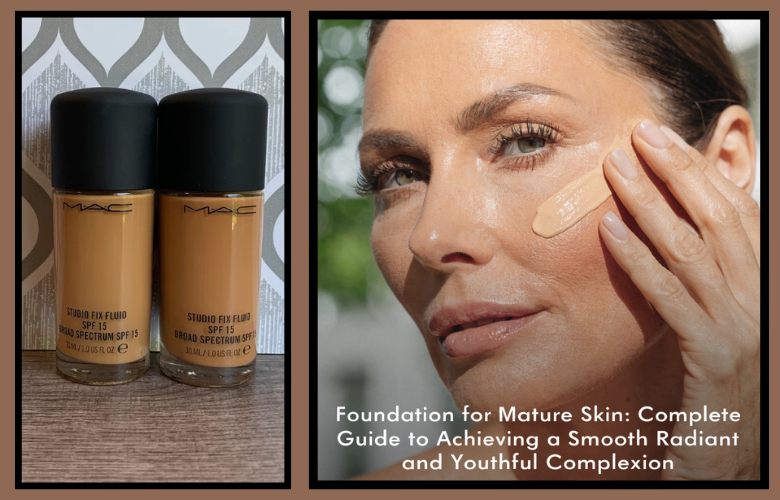
Choosing the right makeup becomes increasingly important as skin naturally changes with age. Mature skin often experiences dryness, fine lines, reduced elasticity, and uneven texture, which can make standard Foundation for Mature Skin less effective or less flattering. Some products may settle into wrinkles or highlight dry patches instead of creating a smooth, natural finish. This is why selecting a suitable base product is essential for achieving a youthful and radiant look. A well-formulated foundation helps even out skin tone, enhances natural glow, and provides comfort throughout the day. With the right approach, mature skin can look fresh, smooth, and beautifully balanced without heavy coverage.
What is Foundation for Mature Skin?
A foundation for mature skin is a specially formulated cosmetic product designed to meet the changing needs of aging skin. As skin matures, it tends to lose moisture, firmness, and smooth texture, which affects how makeup applies and lasts throughout the day. Regular foundations may not adapt well to these changes, often resulting in a cakey appearance or emphasizing fine lines and uneven areas instead of smoothing them.
This type of foundation is created with a focus on hydration, flexibility, and lightweight coverage. Instead of sitting heavily on the surface of the skin, it blends easily and moves with the skin’s natural texture. Many formulas also include skincare-inspired ingredients that help maintain moisture and improve comfort during wear. The purpose is to create a soft, even complexion that looks natural rather than heavily made-up.
A key feature of a foundation for mature skin is its ability to provide a radiant or satin finish instead of a flat matte look. This helps reflect light in a way that softens imperfections and enhances overall brightness. The result is healthier-looking skin that appears smooth, refreshed, and naturally glowing without feeling heavy or artificial.
Why Mature Skin Needs a Different Foundation Approach
As skin ages, it goes through several structural and functional changes that directly impact how makeup performs. One of the most common changes is reduced oil production, which often leads to dryness and a less smooth surface. At the same time, the skin loses collagen and elastin, which are responsible for maintaining firmness and elasticity. These changes make fine lines and texture more noticeable over time.
In contrast, formulas designed specifically for mature skin focus on creating a soft-focus effect that diffuses light gently across the face. This helps blur imperfections while maintaining a natural appearance. Lightweight and breathable textures are also important, as they ensure comfort throughout the day without feeling restrictive. A well-formulated foundation should enhance the skin’s natural glow rather than covering it completely.
Key Ingredients That Support Mature Skin
The effectiveness of any foundation depends largely on its ingredients, especially when it comes to mature skin. Hydration is one of the most important factors because well-moisturized skin always appears smoother and more youthful. Ingredients that help retain and attract moisture are essential for maintaining a healthy complexion throughout the day.
Hyaluronic acid is widely used in modern foundations because it helps the skin hold moisture, resulting in a plumper and more refreshed appearance. Glycerin also plays a key role by drawing water into the skin and keeping it hydrated for longer periods. These ingredients help reduce the appearance of dryness and improve overall comfort.
Peptides are often included to support the skin’s natural structure and help improve firmness over time. Squalane provides lightweight hydration without clogging pores or feeling greasy, making it ideal for everyday wear. Niacinamide is another beneficial ingredient that helps even out skin tone and improve brightness, contributing to a more balanced complexion.
Types of Foundation Suitable for Mature Skin
There are several types of foundations that work well for mature skin, and each offers different benefits depending on personal preferences and desired coverage. Liquid foundations with a radiant or natural finish are among the most commonly used options. These formulas provide smooth, even coverage while maintaining a healthy glow, making them suitable for everyday use.
Serum foundations are another excellent choice because they are extremely lightweight and often infused with skincare ingredients. They feel almost invisible on the skin and are ideal for those who prefer a natural, barely-there makeup look. These foundations blend effortlessly and enhance the skin without masking its natural texture.
Tinted moisturizers and CC creams are also popular choices for minimal makeup routines. They provide light coverage while keeping the skin hydrated and soft. These options are especially useful for days when a natural and effortless appearance is preferred. Each type of foundation serves a different purpose, but all are designed to work gently with mature skin.
How to Choose the Right Foundation
Selecting the right foundation depends on understanding individual skin needs and concerns. Dry skin typically benefits from hydrating and dewy formulas that help restore moisture and create a luminous finish. Combination skin often works best with natural or satin finishes that balance hydration and oil control across different areas of the face.
Sensitive skin requires gentle, fragrance-free formulations that minimize the risk of irritation. For uneven skin tone or discoloration, buildable medium coverage is usually the most effective option because it allows customization without feeling heavy or cakey.
Shade selection is also extremely important, as undertones can shift slightly with age. Testing foundation in natural lighting helps ensure a more accurate match. The ideal product should blend seamlessly into the skin and enhance its natural tone rather than mask it.
Application Techniques for a Natural Finish
Even the best foundation will not deliver optimal results without proper application techniques. Skin preparation plays a crucial role in achieving a smooth and even finish. Moisturizing before makeup helps hydrate the skin and creates a better base for blending.
Using a primer can further improve texture and help the foundation last longer throughout the day. Once the skin is properly prepared, applying foundation in thin layers is essential. This allows better control over coverage and prevents the product from building up in fine lines.
Blending should be done gently using a damp sponge, which helps press the product into the skin for a seamless effect. This technique ensures that the foundation becomes part of the skin rather than sitting on top of it. Powder should be used lightly and only in areas that tend to become oily, as excessive powdering can make the skin appear dry.
Common Mistakes to Avoid
One of the most common mistakes is using overly matte or heavy foundations that can make the skin look dull and textured. Applying too much product is another issue, as thick layers often settle into fine lines and create an uneven appearance.
Skipping skincare preparation can also negatively impact results, since hydrated skin always provides a smoother base for makeup. Another mistake is choosing the wrong shade, which can make the complexion look unnatural instead of fresh and radiant. Avoiding these errors helps ensure a more natural and flattering makeup finish that enhances rather than hides the skin.
Benefits of Using the Right Foundation
Using the right foundation offers several benefits beyond basic coverage. It helps create a smoother, more even complexion while maintaining a natural appearance. Hydration improves overall comfort and keeps the skin looking fresh throughout the day.
It also provides a soft-focus effect that reduces the visibility of fine lines and uneven texture. This results in a more youthful and refreshed look without requiring heavy layers of makeup. Lightweight formulas ensure comfort, making them suitable for daily use. When chosen correctly, foundation enhances natural beauty and supports skin health, creating a balanced and radiant appearance.
(FAQs)
1. What is the best foundation for mature skin?
The best option is usually a hydrating, lightweight formula with a natural or radiant finish. It should smooth fine lines, improve skin texture, and provide a healthy glow without looking heavy or cakey. The goal is to enhance the complexion while keeping the skin comfortable throughout the day.
2. Should mature skin use matte or dewy foundation?
Mature skin generally looks better with dewy or natural finishes because they add radiance and reduce the appearance of dryness. Matte foundations can sometimes emphasize texture, so softer, more luminous formulas are often a better choice for a smooth and youthful look.
3. How do I stop foundation from settling into wrinkles?
Proper skincare preparation is very important. Moisturizing before makeup helps create a smooth base, and using a light primer can improve texture. Applying foundation in thin layers also ensures it blends evenly and does not settle into fine lines.
4. Can mature skin use full coverage foundation?
Yes, but it should be buildable rather than thick or heavy. A lightweight formula that allows gradual coverage works best because it prevents a cakey finish while still evening out the skin tone effectively.
5. What ingredients should mature skin avoid in foundation?
It is best to avoid harsh alcohol-based formulas, strong fragrances, and overly drying ingredients. These can make the skin look dull or irritated. Gentle and hydrating ingredients are always more suitable for aging skin.
Conclusion
Choosing the right foundation is essential for achieving a natural, smooth, and youthful appearance as skin matures. The right formula not only provides coverage but also supports hydration, comfort, and skin health throughout the day. A well-selected product can help reduce the appearance of fine lines, even out skin tone, and enhance natural radiance without feeling heavy or artificial. When paired with proper skincare and correct application techniques, it can significantly improve the overall makeup result. Ultimately, the goal is to enhance beauty in a subtle and elegant way, allowing mature skin to look fresh, confident, and naturally glowing every day.